
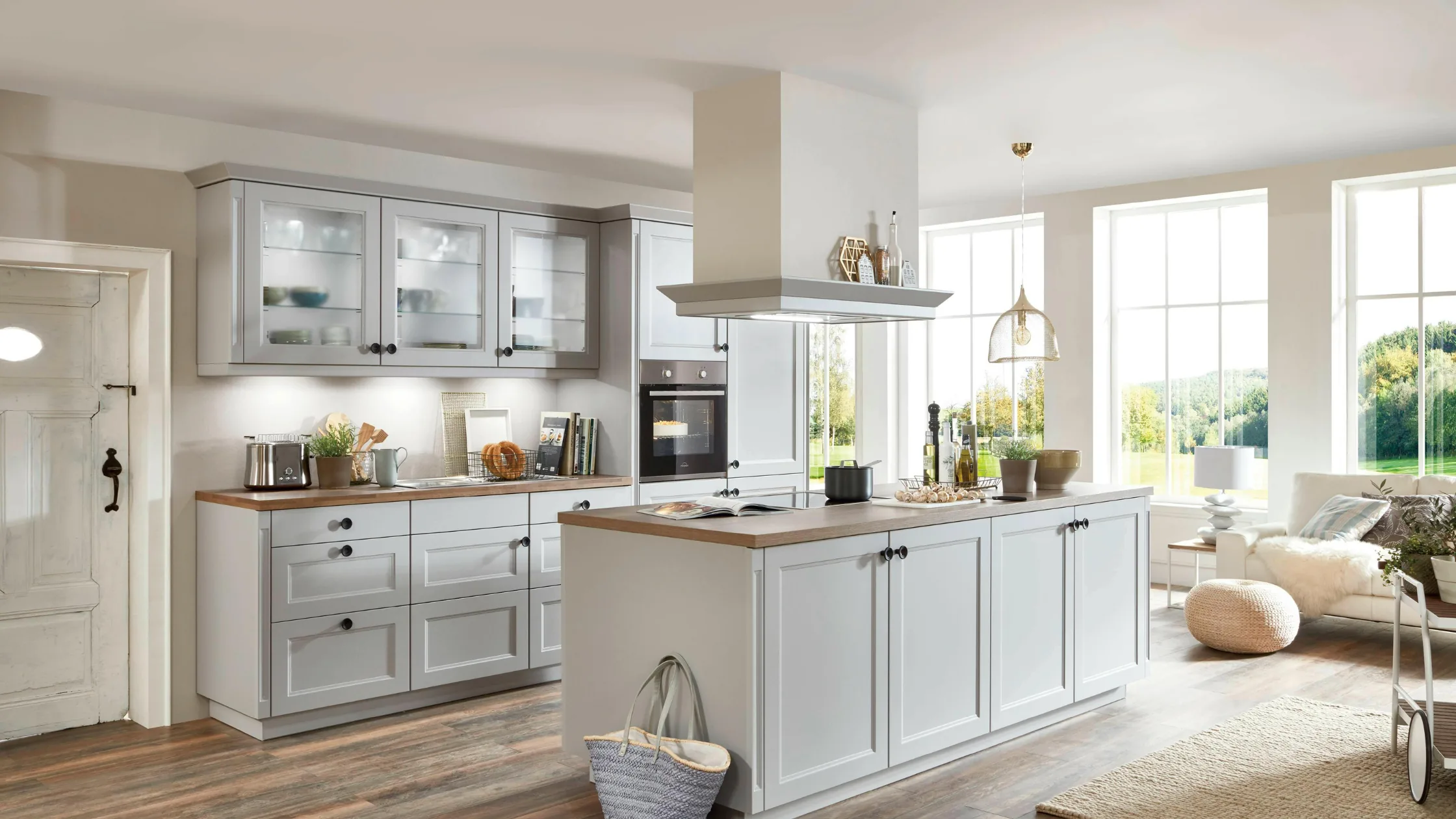
After spending over a decade designing and installing kitchens across Auckland's North Shore and surrounding suburbs, I see the same layout mistakes repeated in home after home. Most of them were made by previous owners — or by well-meaning renovators who followed general advice without thinking about how they specifically use their kitchen.
Here are the five most common ones, and how to avoid them when you renovate.
Ignoring the Work Triangle
The work triangle — the path between your refrigerator, sink, and cooktop — is the foundation of kitchen ergonomics. When these three points are positioned badly, you spend the entire time you are cooking walking unnecessary distances.
The ideal work triangle has each leg between 1.2m and 2.7m, with a total triangle perimeter of 4m–8m. In Auckland homes with galley kitchens or open-plan layouts, this principle is often violated during renovations because homeowners focus on aesthetics (where does the island look best?) rather than function (where does it actually work best?).
The fix: Before committing to any layout, trace the path you would walk while cooking a typical meal. If you are crossing back and forth more than three times to get from the fridge to the sink to the hob, the layout needs revisiting.
Not Enough Landing Space Next to the Cooktop and Oven
Landing space is the horizontal benchtop area adjacent to your cooking appliances where you can place hot pans, prep ingredients before they go in, and plate food as it comes off the heat. Every good kitchen needs it. Most Auckland kitchens I inspect have too little of it.
The minimum for a functional cooktop is 400mm of clear benchtop on at least one side — ideally both. For ovens, 600mm of clear bench adjacent to the oven door is the practical minimum.
The fix: When planning your layout, mark out your appliance positions and physically measure the clear benchtop on each side. If you are below 400mm on either side of the cooktop, reconfigure before you manufacture anything.
Planning Storage Around What You Own Now, Not What You Will Own
When homeowners plan drawer and cabinet configurations, they often think about their current kitchen contents. But a renovation is a 10–15 year investment. The storage layout you design today needs to work for how your household will use the kitchen over that entire period.
Common oversights: not enough deep drawers for pots and pans (which are almost always better than lower cabinets with doors), undersized pantry capacity, no dedicated zone for coffee and small appliances, and cutlery drawers that are too shallow for larger utensils.
The fix: Before finalising cabinet configurations, spend a week paying attention to what you take out of your kitchen cabinets every day. The things you use daily should be the most accessible. The things you use rarely should go in the hard-to-reach spots.
Placing the Island Without Enough Clearance
Kitchen islands are the most requested feature in Auckland kitchen renovations — and one of the most frequently implemented incorrectly. The most common error is placing an island in a space that cannot comfortably accommodate it.
The minimum clearance between an island and surrounding cabinets is 900mm for a kitchen used by one person, and 1200mm for a kitchen used by multiple people simultaneously. Below these minimums, the space becomes frustrating to work in — especially when cabinet and dishwasher doors are open.
The fix: Before designing an island, measure the total floor space carefully. Place masking tape on the floor at the island dimensions, then walk around it while mentally opening cabinet doors. If it feels tight in the design stage, it will feel worse once built.
Under-Lighting the Work Zones
Auckland homes — particularly older bungalows and 1970s–1990s homes — were designed with overhead pendant or ceiling lights as the only kitchen lighting. This creates shadow zones directly over the benchtop where you are actually working. Every time you stand at the bench, your body casts a shadow across your work surface.
Task lighting — LED strips mounted under upper cabinets shining directly onto the benchtop — is not optional in a functional kitchen. It is the difference between a kitchen that is pleasant to work in after 4pm and one that is frustrating.
The fix: During the electrical planning stage of your renovation, specify under-cabinet LED strip lighting for every section of working benchtop. This is a relatively low-cost addition during a renovation that makes a significant difference to daily usability.
How These Mistakes Get Made
Most of these mistakes happen because homeowners and even some kitchen companies focus on what looks good in a showroom or in a render — not on how the kitchen will actually function on a Tuesday morning. Beautiful joinery in the wrong position is still the wrong position.
At InVogue Kitchens, we start every design conversation with function questions: How do you cook? How many people use the kitchen at the same time? Where is the natural light? What is your storage capacity compared to what you actually have? The aesthetic decisions come after those answers.
Plan it right
Get Your Kitchen Layout Reviewed
Book a consultation with Stephen Poh and have your existing or proposed layout reviewed before you spend anything.